 English

 Post by
 What Does Ventilation Do: Benefits and Importance of Decentralised Heat Recovery Units
Ventilation plays a crucial role in maintaining a healthy indoor environment. A good ventilation system helps to ensure that fresh air enters your home, which is essential for improving indoor air quality. By effectively ventilating your space, you can dilute indoor pollutants and reduce the presence of stale air, dust, and moisture.
One of the primary benefits of a good ventilation system is its ability to manage humidity levels. Excess moisture can lead to condensation and create a damp environment, which fosters the growth of mould and bacteria. This not only impacts the structural integrity of your home but also poses health risks such as asthma, allergies, and other respiratory issues.
Installing an effective ventilation system can significantly improve the airflow within your home. This system helps to supply fresh air from the outside while removing stale air that may contain harmful gases like radon and volatile organic compounds from paints and cleaners. By ensuring a constant exchange of air, homeowners can create a comfortable living environment.
In rooms like the attic and basement, proper ventilation is particularly important. These areas are prone to moisture build-up, which can result in unpleasant smells and structural damage. By preventing these issues, ventilation helps reduce the risk of health problems associated with poor indoor air quality.
In conclusion, understanding what ventilation does is essential for any homeowner. A well-designed ventilation system not only helps maintain a comfortable temperature but also contributes to a healthier living environment by minimizing pollutants and ensuring a steady supply of fresh air. Make sure to consider the importance of good ventilation when planning the airflow in your home.
Introduction to Prana Decentralised Heat Recovery System
When it comes to heat recovery ventilation systems, there are two primary types: centralised and decentralised. The key difference between these two systems lies in their configuration and operation. In a decentralised ventilation system, each unit is dedicated to a single room, directly managing the air quality that specific space. On the other hand, a centralised system uses one unit to serve multiple rooms, extracting and supplying air through a network of ducts.
Prana’s domestic heat recovery range falls under the category of decentralised systems. These systems offer a unique set of benefits that not only provide them with a significant edge over centralised systems but also distinguish them among other decentralised options. Let’s explore the key advantages that make Prana’s decentralised heat recovery ventilation systems stand out.
The Importance of Good Ventilation System
The Prana system represents a revolutionary approach to indoor air quality management, particularly suited to modern Irish homes and commercial properties. Unlike traditional ventilation solutions that often create drafts, noise, or uneven air distribution, Prana’s technology delivers consistent, whisper-quiet operation that maintains comfortable indoor temperatures year-round. The system’s intelligent design responds dynamically to changing environmental conditions, making it particularly effective in Ireland’s variable climate where humidity levels and outdoor temperatures can fluctuate dramatically throughout the day. What sets Prana apart from competitors is its patented heat recovery technology that captures and reuses thermal energy that would otherwise be lost through conventional ventilation. This innovative approach means that fresh air entering your property is pre-conditioned using the temperature of the outgoing stale air, resulting in significant energy savings and improved comfort levels. The system’s copper heat exchanger, engineered for maximum durability and performance, ensures consistent heat recovery rates even after years of continuous operation.
Effective Ventilation System and Easy Installation
The Prana decentralised heat recovery system makes installation easy. Simply select a suitable location, drill a hole in the wall, and then install the unit. As these are standalone units, they obviate the need for extensive ductwork, which considerably reduces the complexity and disturbance often found in the installation of centralised heat recovery ventilation systems. On average, the installation time for each unit is approximately 2 hours.
This streamlined installation process means minimal disruption to your daily routine, whether you’re upgrading a family home or implementing ventilation solutions in a busy commercial environment. Professional installers can typically complete multiple room installations in a single day, allowing you to start experiencing improved air quality almost immediately. The installation process requires no structural modifications, preserving the integrity of your building while delivering maximum ventilation performance.

Ideal for Existing Building
Decentralised heat recovery ventilation systems are ideal for integration into existing buildings, thanks to their minimal space requirements and flexibility. Their design enables installation in various room types without significant alterations to the building’s architecture. This makes Prana systems an excellent choice for heritage buildings with thick stone walls, as they can be installed in walls up to 1 metre in thickness.
The system’s adaptability extends beyond heritage properties to modern constructions, apartments, offices, and specialized spaces such as medical facilities, educational institutions, and hospitality venues. Each installation is customized to work seamlessly with existing heating and cooling systems, ensuring that your current climate control investments continue to operate efficiently while benefiting from enhanced air quality management.
Room-Specific Climate Control
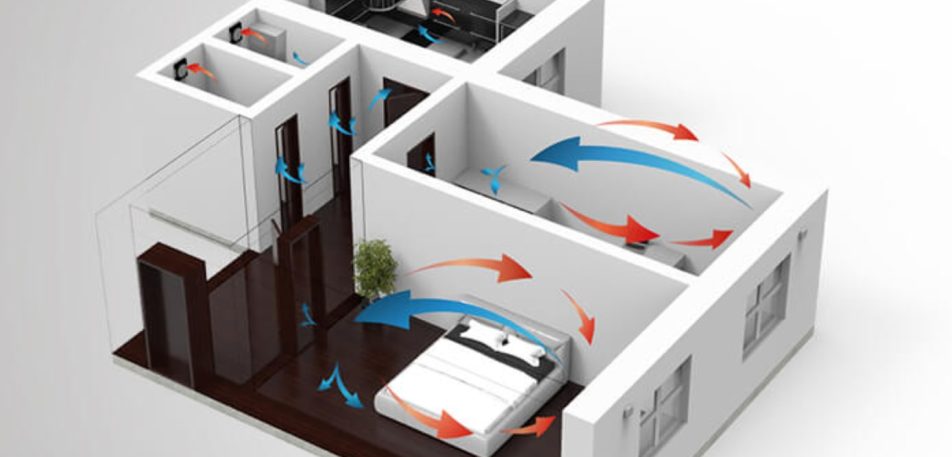
Each Prana unit functions independently, enabling room-specific climate control. This allows different areas to have tailored ventilation settings based on individual preferences or the specific needs of each room, thereby enhancing comfort and efficiency. Such personalised ventilation setup is not achievable with centralised systems.
This flexibility proves particularly valuable in mixed-use spaces where different activities require varying air quality standards. For instance, kitchens benefit from higher extraction rates to manage cooking odors and humidity, while bedrooms can operate on gentler settings to maintain comfortable sleeping conditions. Office environments can be programmed for optimal productivity during working hours, automatically adjusting to maintain ideal CO2 levels and temperature ranges that support cognitive performance and employee wellbeing.
Advanced Sensors
Prana decentralised ventilation systems come with advanced sensors that track essential environmental factors like humidity, VOCs, CO2 equivalent, and temperature. This feature supports a healthy indoor environment by providing real-time data. The system’s algorithms use this data to automatically adjust settings, ensuring optimal conditions in each room. For instance, if VOC pollution suddenly increases in a room, the Prana system will automatically intensify ventilation to restore healthy air quality.
The sophisticated sensor array continuously monitors indoor air quality parameters, providing detailed insights into environmental conditions that affect health, comfort, and productivity. These sensors detect microscopic pollutants, allergens, and chemical compounds that traditional ventilation systems often miss, ensuring comprehensive air purification that protects occupants from both immediate discomfort and long-term health risks associated with poor indoor air quality.
Low Power Consumption & High Efficiency
Prana systems are known for their high energy efficiency. They use minimal power to provide effective ventilation, significantly lowering energy costs and supporting a sustainable environment. These systems also have a copper heat exchanger, achieving up to 98% heat recovery efficiency. With no ducts involved, there’s no heat loss, making Prana heat recovery ventilation even more efficient than a centralised heat recovery systems.
The exceptional energy efficiency translates directly into measurable cost savings on utility bills, with many users reporting reductions of 30-50% in their heating and cooling expenses. This efficiency, combined with the system’s durability and low maintenance requirements, delivers an impressive return on investment that typically pays for itself within 3-5 years of installation.
Control via App
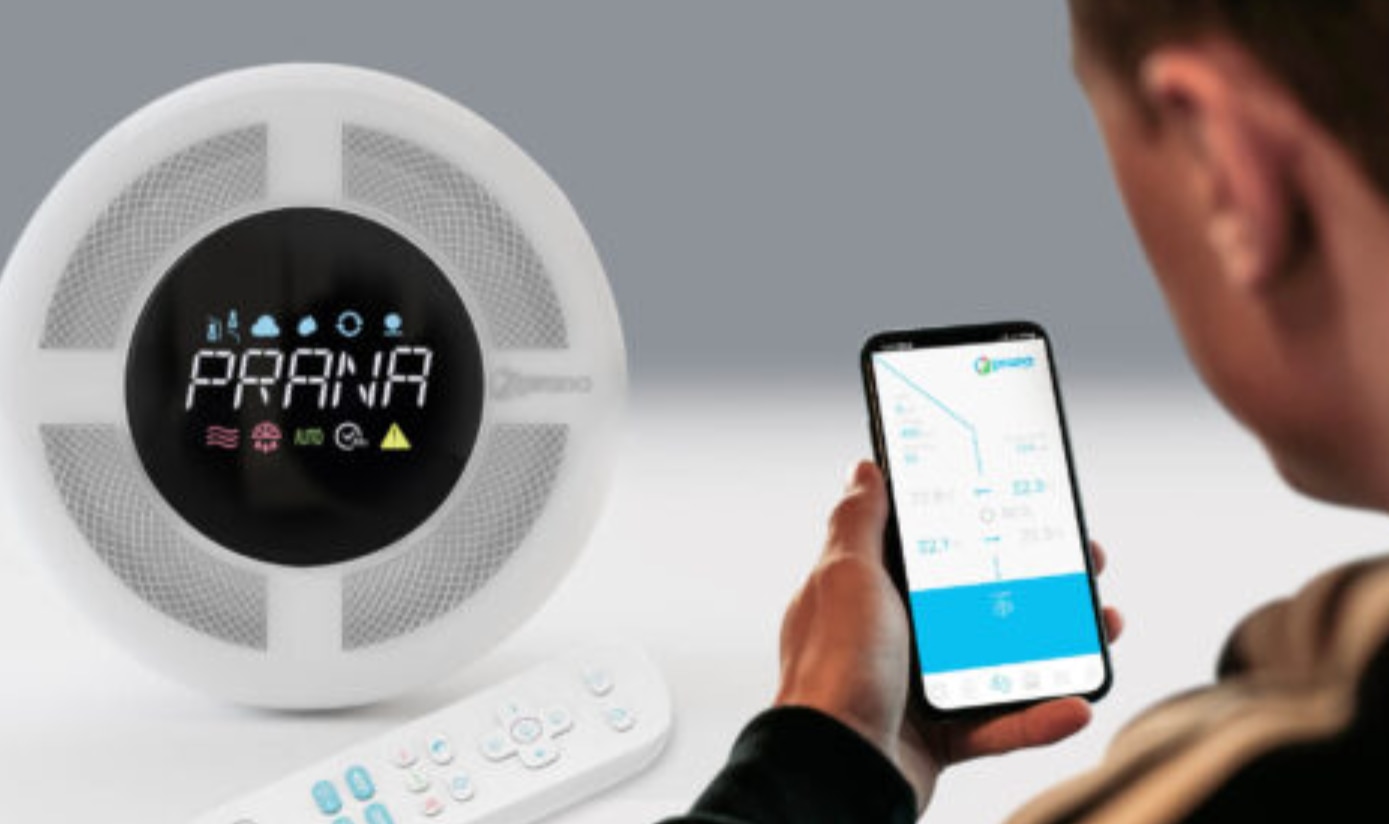
The Prana systems’ smart technology integration lets users monitor and control their premises’ climate through a mobile application. This app offers the flexibility to control devices either as a group or individually, and it includes features for creating operation schedules, monitoring indoor and outdoor temperature, humidity, and air quality, with all parameters being recorded. The mobile app enables remote monitoring and adjustment of settings, ensuring users can manage their environment even when away.
Decentralised Heat Recovery Ventilation Benefits
The Prana Decentralised Ventilation System is more than just a ventilation solution, it’s a comprehensive approach to creating healthier, more comfortable, and energy-efficient indoor environments. Its easy installation, suitability for existing buildings, individual room control, maintenance ease, environmental monitoring capabilities, energy efficiency, heat recovery, natural disinfection, and smart control represent a significant leap forward in ventilation technology. Installing Prana systems means investing in the well-being of occupants and the sustainability of our environment.
Breathe Easy with Prana!
Ready to transform your indoor air quality? Discover types of ventilation. Fill out this form to get started with our innovative decentralised heat recovery ventilation system!